Key Takeaways
- Myopia, or nearsightedness, happens when the eye grows too long, and distant objects look blurry.
- Family history plays a role, and the risk climbs when one or both parents are nearsighted.
- Long hours of near work and limited daylight are linked to faster progression in children.
- Around two hours outdoors each day supports healthier eye growth.
- Myopia management options include control spectacle lenses, soft contact lenses, and low-dose atropine drops.
Our team at Eye Q Optometry often hears the same story. Your child squints at the whiteboard at school, has trouble seeing the hockey scoreboard, or holds tablets much too close to their face.
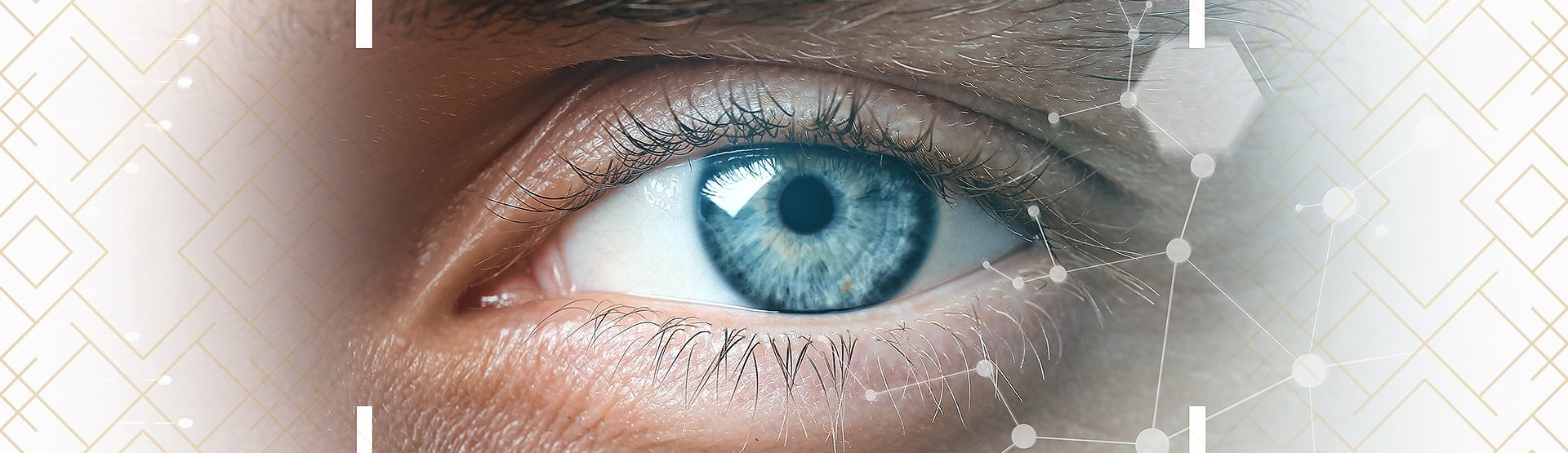
Myopia, or nearsightedness, develops when the eye grows slightly too long from front to back, so light focuses in front of the retina instead of directly on it, and a combination of genetics, extended near work, and limited time outdoors can shape how quickly it progresses.
What Myopia Means for Your Vision
With myopia, close-up tasks typically stay sharp. Reading a book, threading a needle, or scrolling a phone feels comfortable. Anything past a few metres softens at the edges.
The reason sits in the shape of the eye. When the eye lengthens beyond its focusing power, the image lands early, before it reaches the retina. Glasses and contact lenses help move the focal point back where it belongs.
While myopia can develop or progress in adults, catching it early in childhood offers the best opportunity to manage progression and protect long-term visual health.
Signs of Myopia
Children rarely announce blurry vision. They adapt instead, moving closer to whatever they want to see, which is why regular eye exams are so important.
Watch for these signs:
- Squinting to read the whiteboard, a menu board, or a television across the room
- Sitting close to screens or holding a tablet a few centimetres from the face
- Frequent blinking or rubbing the eyes during homework
- Headaches after school or late in the day
- Eye strain and tired eyes following long reading sessions
- Blurred, streaky headlights and road signs during night driving
Genetics and Family History
If one parent is nearsighted, a child’s chances go up. With two nearsighted parents, the odds climb higher again.
No single gene is responsible. Many genes influence how quickly the eye grows and when growth slows down, which is why siblings in the same home can end up with different prescriptions. Family history doesn’t decide the outcome on its own, though it does tell your eye doctor how closely to track changes through the school years.
What Daily Habits Add to the Picture
Long stretches of close focus are associated with faster changes in prescription. Think of the hours a child spends on homework, chapter books, and a tablet held close to the nose, with few breaks in between.
Screen time matters less because of the screen itself and more because of the distance and the duration. A phone sits closer to the face than a book, and the eyes rarely look up. Holding devices at elbow length and pausing every 20 minutes to look across the room can ease that strain.
Daylight helps too. Roughly two hours outside each day, spread across recess, walks, and after-school play, is linked to slower eye growth in children. Bright outdoor light and distance viewing give growing eyes a break that indoor lighting can’t match.
Myopia Management Options for Children
Once myopia starts, single-vision glasses sharpen distance vision but do little to slow the change in prescription. Myopia management takes a different approach by working to reduce how quickly the eye lengthens.
An eye doctor in Killarney can walk you through these options:
- Myopia control spectacle lenses, which look like regular glasses and use a treatment zone around the centre to soften the signal for eye growth
- Soft contact lenses designed for daily wear are often a good fit for children in sports
- Low-dose atropine eye drops, used once at bedtime to help slow progression
Results can vary from child to child. Your eye doctor will work with you and your child to choose the best option for their eyes and life.
Taking the Next Step for Clear Vision
Catching myopia early can change the long-term outlook for your child’s eye health. Whether you have noticed them squinting at the television or it is simply time for their annual checkup, our team at Eye Q Optometry is here to help.
Stop by our clinic or book an appointment online to talk through the right management options for your child’s eyes.