You may notice small changes in your vision that you can’t quite put your finger on. Perhaps the world looks a little less vibrant, or reading in a dimly lit room has become more difficult. These subtle shifts can be easy to dismiss as just a part of getting older or needing a new pair of glasses.
While many factors can affect your sight, our team at Eye Q Optometry can help identify if these experiences are linked to the early stages of cataracts. The most common first sign of a cataract is slightly blurry, cloudy, or dim vision, almost like you’re looking through a foggy piece of glass. This change often happens so gradually that you may not notice it at first, which is why regular adult and senior eye exams are so valuable.
Spot the First Clues of a Cataract
The earliest signs of a cataract can be subtle, but knowing what to look for helps you understand what’s happening with your vision. You might experience a general decline in the clarity of your sight that prompts you to clean your glasses more often, only to find it doesn’t help. Other signs can include:
- Blurry or cloudy vision: Your vision may seem like you’re looking through a hazy or dusty window.
- Faded colours: Bright colours might lose their brilliance and start to look dull or yellowish.
- Dim vision: You may find yourself needing brighter lights for everyday tasks like reading a book or a menu.
How Early Stage Cataracts Affect Sight
In the beginning, a cataract might only affect a small part of your eye’s lens. You may not even be aware of any vision loss. Your sight might just feel a little “off” or less sharp than it used to be.
This happens because a small, cloudy patch starts to form on the lens, which is usually clear. The changes are often slow and subtle, making them difficult to pinpoint without a proper eye examination.
Other Early Vision Changes to Notice
Beyond general blurriness, other symptoms can point to the development of a cataract. These signs often become more noticeable at night or in specific lighting conditions, which can impact activities like driving after dark.
- Glare and light sensitivity: Oncoming headlights, lamps, or even bright sunlight may seem overly bright or uncomfortable.
- Halos around lights: You might see rings or halos around light sources, particularly at night.
- Frequent prescription changes: You may find your prescription for glasses or contact lenses changes more often, yet the new lenses don’t seem to correct your vision for very long.
What Causes These Changes to Your Vision?
To understand these changes, it helps to know what a cataract is. Your eye has a natural lens that bends light rays to help you see. A cataract is simply a clouding of the normally transparent lens.
This cloudiness occurs when proteins in the lens begin to break down and clump together. This process typically happens slowly over many years as you age, preventing the lens from focusing light clearly onto the back of your eye.
Common Risk Factors
While aging is the most frequent reason for cataracts, other factors can contribute to their development. Certain health conditions or past events can increase the likelihood of your lens becoming cloudy over time, including:
- Being over the age of 40
- Health conditions like diabetes
- A previous eye injury or surgery
- Certain medications, such as steroids are taken for a long period of time

Steps to Protect Your Eye Health
You can take simple, proactive steps to support your long-term eye health. These habits can contribute to the overall wellness of your eyes and help manage your vision as you get older.
- Wear sunglasses: Choose sunglasses that block ultraviolet (UV) light to protect your eyes.
- Eat a healthy diet: A diet full of fruits and vegetables provides nutrients that support your eyes.
- Schedule regular eye exams: Routine examinations allow an optometrist to monitor your eye health and detect changes early.
When to Visit Your Eye Doctor
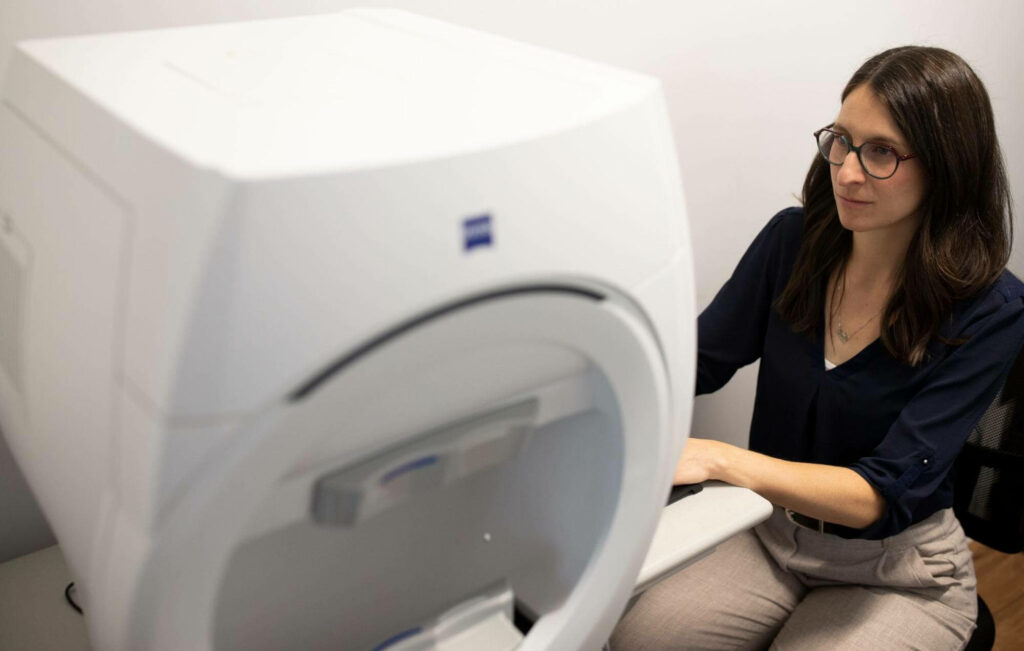
If you notice any of the changes described—no matter how minor they seem—it’s a good idea to schedule an appointment. An eye exam is a direct way to determine the cause of your symptoms and get clear answers about your vision.
Don’t wait for your symptoms to get worse. You can talk to your eye doctor in Killarney about your concerns and get a complete picture of your eye health. This is the first step toward managing your vision effectively.
See Your World Clearly
Your vision is a key part of your daily life. If you have concerns about cataracts or any other aspect of your eye health, our team at Eye Q Optometry is here to provide you with a thorough examination and a clear path forward. Book an appointment today to get the answers you need for your vision.